Source Isuzu Trooper Suspension Ball Joint for Cars, Trucks, SUVs
Find 30 verified options for the isuzu trooper suspension ball joint from global suppliers. Compare specifications, prices, and lead times for steel automatic parts suitable for Chevrolet and Honda applications; compare the available evidence and request quotations based on your requirements.
Key considerations
Products List


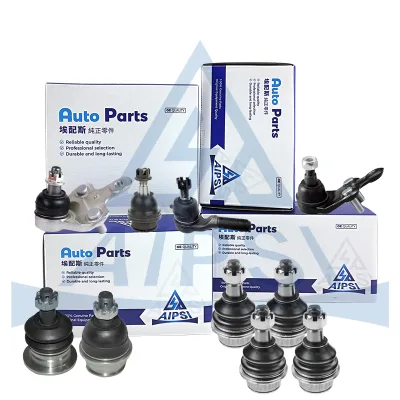


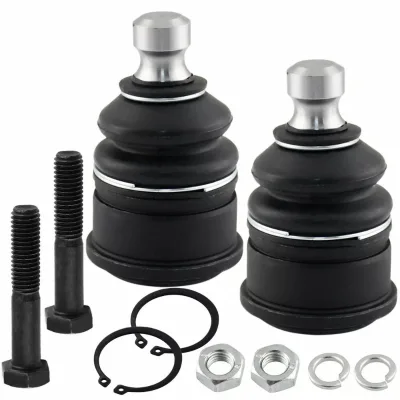
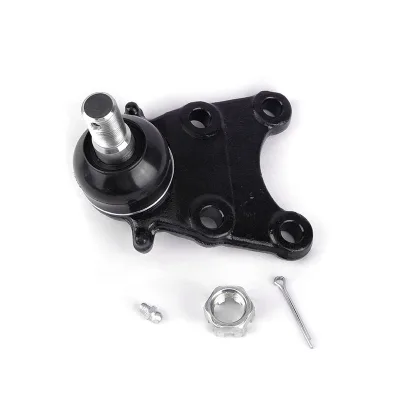
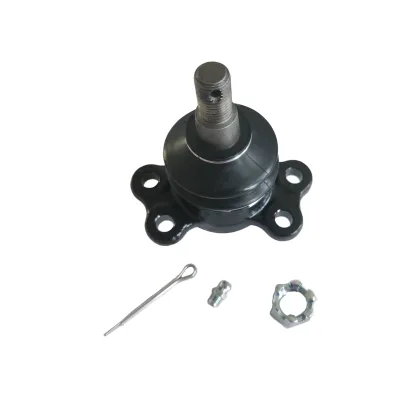
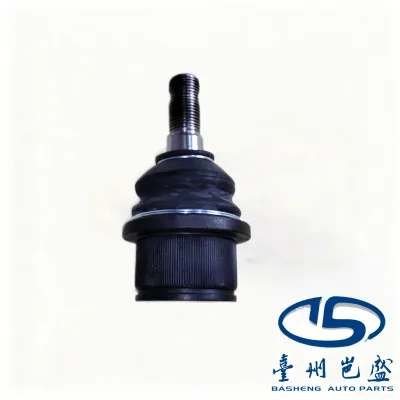
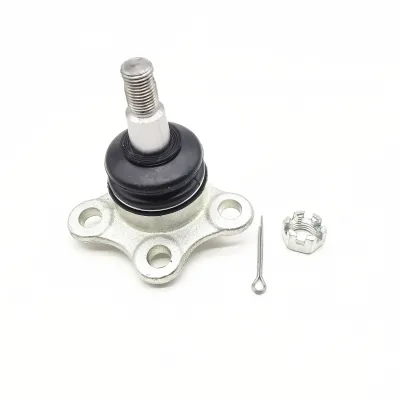
Comprehensive Sourcing Guide
Isuzu Trooper Suspension Ball Joint Sourcing Guide
Procuring replacement ball joints for the Isuzu Trooper requires a disciplined approach to part identification and supplier verification. These components are critical for maintaining steering precision and suspension geometry, directly impacting vehicle safety and handling characteristics. Buyers must prioritize exact OE number matching over generic descriptions to ensure compatibility with specific model years and trim levels. The market offers various options, but not all listings accurately reflect the engineering specifications required for off-road or heavy-duty use.
This guide outlines the essential steps for sourcing high-quality ball joints that meet original equipment standards. It focuses on verifying technical attributes, understanding commercial terms, and establishing robust quality control measures. By adhering to these procurement principles, buyers can mitigate the risk of receiving substandard parts that may fail prematurely. The following sections provide a structured framework for evaluating suppliers and selecting the correct components for your inventory or repair needs.
Product Scope and Observed Listing Signals
The current market for Isuzu Trooper suspension ball joints presents a diverse range of listings, with observed prices varying significantly between $1.50 and $100.00 USD. This wide disparity often reflects differences in material quality, manufacturing processes, and brand reputation. Buyers should be cautious of listings with unusually low prices, as they may indicate inferior steel alloys or compromised manufacturing standards. Understanding this price spectrum helps in setting realistic budget expectations and identifying potential red flags during the sourcing process.
Observed minimum order quantities (MOQs) typically range from 1 to 100 pieces, offering flexibility for both small repair shops and large distributors. Many suppliers offer customization options, allowing buyers to request specific packaging or labeling requirements. The condition of the products is consistently listed as new, but buyers must verify the packaging integrity to prevent damage during transit. Neutral packaging is common, which can be advantageous for private labeling but requires careful inspection to ensure the parts are protected adequately.
Technical Specifications to Verify
Accurate identification of the ball joint is paramount, with numerous OE numbers associated with Isuzu Trooper applications. Key identifiers include OE numbers such as 8943744240, 6q0407366A, and 8944594534, among others. Buyers must cross-reference these numbers with their vehicle’s service manual to ensure a perfect fit. The product models, such as ZM-F1154 and ZM-F1175R, often correspond to specific vehicle configurations, making precise matching essential for proper installation and function.
Material composition and physical specifications also play a crucial role in performance. Most listed ball joints are constructed from steel, with some specifications noting iron variants, which may affect durability and weight. The standard weight for these components typically ranges from 0.67 kg to 0.85 kg, providing a baseline for quality assessment. Additionally, stud thread sizes, such as M14X1.5, must be verified to ensure compatibility with the vehicle’s control arms. Buyers should request detailed technical datasheets to confirm these attributes before placing orders.
Compliance and Safety Documentation
While ISO certification is a common attribute among suppliers, buyers must verify the specific scope and validity of these certifications. ISO compliance indicates a structured quality management system, but it does not guarantee that every individual batch meets stringent automotive safety standards. Buyers should request copies of relevant certificates and confirm that they are issued by accredited bodies. This step is crucial for ensuring that the supplier adheres to internationally recognized quality practices.
Safety documentation should also include material test reports and dimensional inspection records. These documents provide evidence that the ball joints meet the required mechanical properties and tolerances. Buyers should inquire about the supplier’s testing protocols, including fatigue testing and load-bearing capacity assessments. Although specific test results are not always provided in initial listings, reputable suppliers should be willing to share this information upon request. This due diligence helps mitigate the risk of component failure in the field.
Cost Drivers and Commercial Terms
Several factors influence the final cost of Isuzu Trooper ball joints, including material costs, manufacturing complexity, and order volume. Steel prices fluctuate, impacting the base cost of the components. Additionally, the level of customization, such as specific packaging or branding, can add to the overall expense. Buyers should analyze the total cost of ownership, considering not just the unit price but also shipping, duties, and potential returns due to quality issues.
Payment terms and lead times are critical commercial considerations. Most suppliers offer T/T payment methods, which require careful financial planning. Lead times can extend up to 60 days, necessitating accurate demand forecasting to avoid stockouts. Buyers should negotiate clear terms regarding delays and penalties to protect their supply chain. Understanding these commercial dynamics allows for better budgeting and inventory management, ensuring that procurement activities align with business objectives.
Supplier Qualification and Quality Control
Evaluating supplier qualifications is essential for securing a reliable supply of ball joints. Buyers should assess the supplier’s production capabilities, including their manufacturing facilities and quality control processes. Suppliers located in regions like Anhui, China, or other industrial hubs may offer competitive advantages, but buyers must verify their operational standards. Requesting factory audits or third-party inspections can provide valuable insights into the supplier’s reliability and consistency.
Quality control measures should be explicitly defined in the purchase agreement. This includes specifications for incoming material inspection, in-process quality checks, and final product testing. Buyers should establish clear acceptance criteria for defects and non-conformities. Implementing a robust quality control framework helps ensure that every batch of ball joints meets the required standards. Regular communication with the supplier regarding quality performance can also foster a collaborative relationship focused on continuous improvement.
Long-Term Procurement Checks
Establishing long-term procurement strategies involves regular performance reviews and supplier relationship management. Buyers should track key metrics such as delivery times, defect rates, and customer feedback to assess supplier performance. Continuous monitoring allows for early identification of potential issues and facilitates proactive problem-solving. Building a strong partnership with reliable suppliers can lead to better pricing, priority service, and access to new product developments.
Adapting to market changes and technological advancements is also crucial for long-term success. Buyers should stay informed about industry trends and emerging standards that may impact ball joint design and manufacturing. Regularly updating procurement policies and specifications ensures that the supply chain remains competitive and resilient. By maintaining a strategic approach to sourcing, buyers can secure a steady supply of high-quality Isuzu Trooper ball joints that meet the evolving needs of their customers.
FAQs
What certifications do the ball joints have?
The ball joints carry ISO certification as a standard quality assurance measure. This ensures the products meet international manufacturing standards for durability and safety in automotive suspension systems.
Can I request customization for these parts?
Yes, customization is available for these steel ball joints to meet specific vehicle requirements. Buyers can request tailored specifications while maintaining the high-quality standards expected for auto suspension applications.
What is the minimum order quantity required?
The minimum order quantity is set at 100 pieces for these suspension components. This standard MOQ applies to the new condition ball joints listed with various OE numbers and model specifications.
How long does production take to complete?
Production lead time is approximately 60 days for these steel ball joints. This duration accounts for manufacturing and quality checks before shipping via sea, air, or courier services from the origin.
Which car brands are these parts suitable for?
These ball joints are suitable for Chevrolet and Honda vehicles among other brands. They fit specific OE numbers like 8943744240 and 6q0407366A for front suspension positions in various automotive models.
What payment methods are accepted for orders?
T/T payment terms are accepted for purchasing these suspension parts. Buyers can arrange secure transactions for the steel ball joints with models like ZM-F1154 and 8944594534 directly with suppliers.